

In the world of entrepreneurship, success isn’t just about having a great idea or working hard. It’s about having the right mindset—the kind that views setbacks as stepping stones, risks as opportunities, and every challenge as a chance to grow stronger. The road to building a $700 million empire is paved with grit, determination, and the kind of resilience that only comes from facing adversity head-on.
This article explores the entrepreneurial mindset behind such a journey: how vision, adaptability, and tenacity turn obstacles into achievements—and how that same mindset has helped leaders like Tony Buzbee build not only immense wealth but lasting influence.
Seeing Opportunity in Every Setback
Most successful entrepreneurs will tell you that challenges are inevitable. What separates those who succeed from those who fold is how they respond. Every obstacle is a chance to improve a process, rethink a product, or adjust a strategy. An entrepreneurial mindset doesn’t fear failure—it sees it as a learning opportunity.
Whether it’s a financial crisis, an unexpected legal battle, or a market shift that threatens your core business, successful entrepreneurs approach setbacks with calm analysis and creative thinking. Instead of asking, “Why did this happen to me?” they ask, “What can I learn from this?” That shift in perspective makes all the difference.
In the early stages of building a business, failures may outnumber wins. The key is to stay focused on the bigger picture. For instance, a failed product launch might sting in the moment, but if it leads to a more innovative and market-ready version, it was a necessary step on the road to success.
Resilience: The Backbone of Any Empire
Behind every thriving empire is a story of perseverance. Resilience is not just about bouncing back—it’s about bouncing forward, using adversity as momentum for growth. It’s one thing to take a hit. It’s another to learn from it, adapt, and come back stronger.
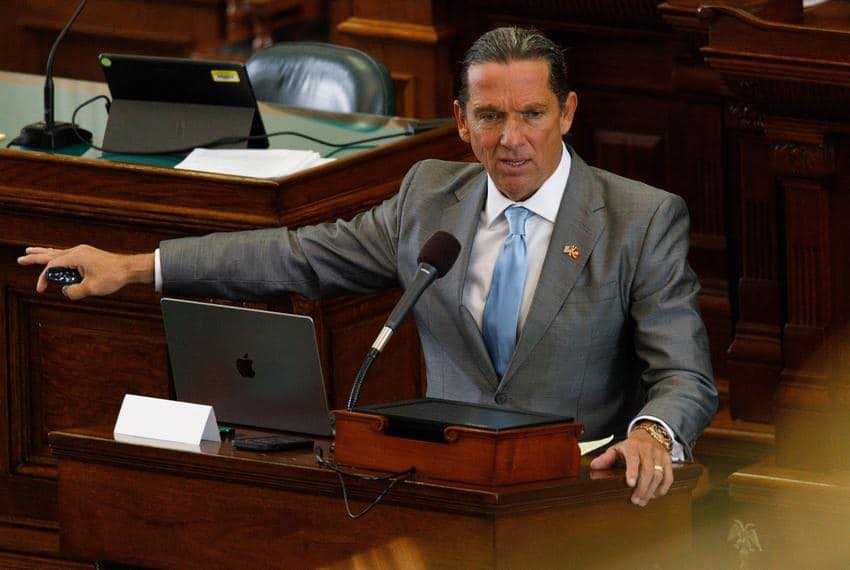
This quality has been vital for many entrepreneurs who started with little and built something extraordinary. Tony Buzbee, who transitioned from a decorated Marine to a powerhouse trial lawyer and entrepreneur, has demonstrated resilience time and again—whether facing off against corporate giants or navigating the political arena. It’s that same tenacity that fuels growth and keeps the vision alive even during the toughest times.
Entrepreneurs who succeed at a high level often credit their persistence more than any other skill. Talent matters. Timing matters. But without the will to keep going when everything’s falling apart, even the best plans fall flat.
Thinking Bigger and Bolder
Vision is at the core of the entrepreneurial spirit. Where others see problems, entrepreneurs see possibilities. They’re not just solving today’s issues—they’re building solutions for tomorrow. That kind of forward-thinking is what turns a small operation into a business empire.
Thinking big doesn’t mean reckless expansion or blind optimism. It means creating a strategic plan rooted in bold ambition. Entrepreneurs with this mindset constantly ask themselves: What’s next? Where is the market going? How can we lead the way?
The leaders behind massive success stories aren’t content with “good enough.” They push boundaries, challenge norms, and keep raising the bar. For someone like Tony Buzbee, who built his firm from the ground up and then expanded into real estate, energy, and philanthropy, thinking big meant identifying and acting on opportunities others overlooked.
Calculated Risk-Taking
There’s no reward without risk—but smart entrepreneurs know that not all risks are equal. The key is in calculated risk-taking: analyzing data, weighing potential outcomes, and making bold but informed decisions.
A $700 million empire doesn’t grow on luck. It grows because its leaders are willing to invest in ideas with high potential, even if they come with uncertainty. These risks might include entering a new industry, acquiring a struggling company with promise, or investing heavily in marketing a new venture.
Calculated risk-taking also means knowing when to say no. Saying yes to everything can be just as dangerous as never taking chances. A strategic entrepreneur learns how to filter out distractions and focus energy on the bets that align with their vision and values.
Surrounding Yourself with the Right People
No entrepreneur succeeds alone. Behind every great business is a team of advisors, partners, and employees who share in the vision and contribute to the execution. Successful leaders know how to build teams that fill gaps, bring new ideas, and challenge their thinking in productive ways.
Delegation isn’t about giving up control—it’s about empowering others to lead in their own areas of expertise. The most effective entrepreneurs recognize that collaboration fuels innovation, and they invest in building strong company cultures that reflect their core values.
Tony Buzbee, for example, built his legal team by hiring professionals who were not only skilled but aligned with his mission to serve clients with fearlessness and integrity. That same approach extends to business partnerships and philanthropic endeavors.
Staying Grounded While Aiming High
Success can be a powerful motivator—but it can also become a distraction. Staying grounded in purpose and values ensures that growth doesn’t come at the cost of integrity. The best entrepreneurs know that building wealth is important, but how it’s built matters even more.
For many business leaders, including Tony Buzbee, giving back is part of that grounding process. Philanthropy isn’t just a side project; it’s a reflection of personal values and a commitment to using wealth for the greater good. That kind of leadership creates trust, loyalty, and respect—and it strengthens the foundation of any empire.
The Long Game: Building with Legacy in Mind
Finally, the entrepreneurial mindset is always looking beyond the moment. Building an empire isn’t about short-term wins—it’s about creating something that lasts. That long-term thinking influences every decision, from how a company is branded to how it’s structured for future growth or succession.
Entrepreneurs who play the long game don’t just think about what their company can achieve today. They think about how it will adapt 10, 20, even 50 years from now. They invest in sustainability, innovation, and leadership development to ensure their legacy continues.
Conclusion
The journey from humble beginnings to a $700 million empire isn’t paved with ease—it’s built with grit, strategy, and a relentless belief in possibility. Whether it’s facing a courtroom battle, launching a new business, or making a meaningful impact in the community, the entrepreneurial mindset is what turns challenges into triumphs.
Tony Buzbee is one example of someone who has applied this mindset across law, business, and philanthropy. But the core principles—resilience, vision, boldness, and integrity—are lessons that any aspiring entrepreneur can adopt. With the right mindset, even the toughest roadblocks can become the building blocks of lasting success.

Comments are closed.